Water Crisis: When public taps fail in Ekiti, private tanks cash out
By Kreovant Media
As residents grapple with uneven distribution, poor infrastructure and charges reportedly reaching N5,000, stakeholders have demanded stronger public water systems and accountability
For some residents of Ekiti State, getting water into their homes is no longer simply a matter of turning on a tap. It has become a daily calculation of availability, affordability and how much they can afford to pay when public water systems fail.
While water reportedly flows in some communities only to be wasted, residents elsewhere struggle to secure enough for their basic household needs. In the gaps left by unreliable public supply, private wells and boreholes have become alternatives, leaving households to navigate a system in which access to a basic necessity increasingly depends on their ability to pay.
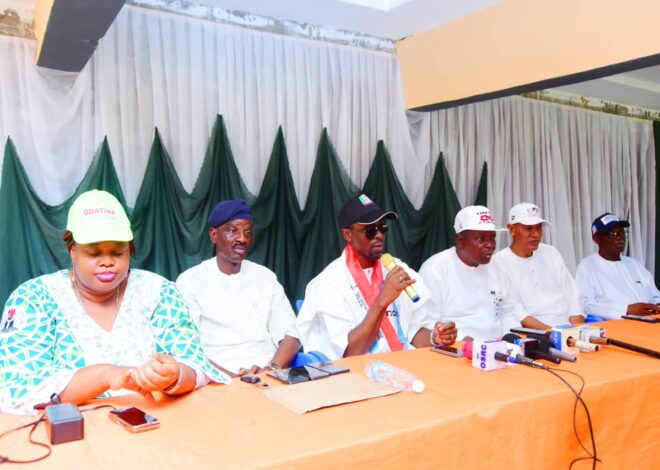
This troubling picture of water inequality formed the centre of discussions at a one-day dialogue meeting on advocacy action for sustainable water governance in Ekiti State, where stakeholders called on the government to address the growing commercialisation of water and strengthen public water infrastructure.
The dialogue, held under the theme, “Reclaiming Africa’s Water Future Through Strengthened Public Water Systems”, at the DINABI Conference Room with support from Corporate Accountability and Public Participation Africa (CAPPA), brought together community members, youth leaders, members of the Water Consumers Association, social media influencers, journalists, civil society organisations and organised to commemorate the International Week of Action.
For participants, the challenge was not merely the absence of water in some communities, it was also the apparent imbalance in its distribution, the poor maintenance of public facilities and the burden of charges imposed on consumers despite irregular or inadequate supply.
Among the communities identified were Bamigboye, Ajilosun and Okebola, where participants said water was sometimes available but wasted.
In contrast, residents of Ikingbinsi and Olorunsogo reportedly faced inadequate access, while Ikere-Ekiti was identified as another area where water supply remained a serious concern.
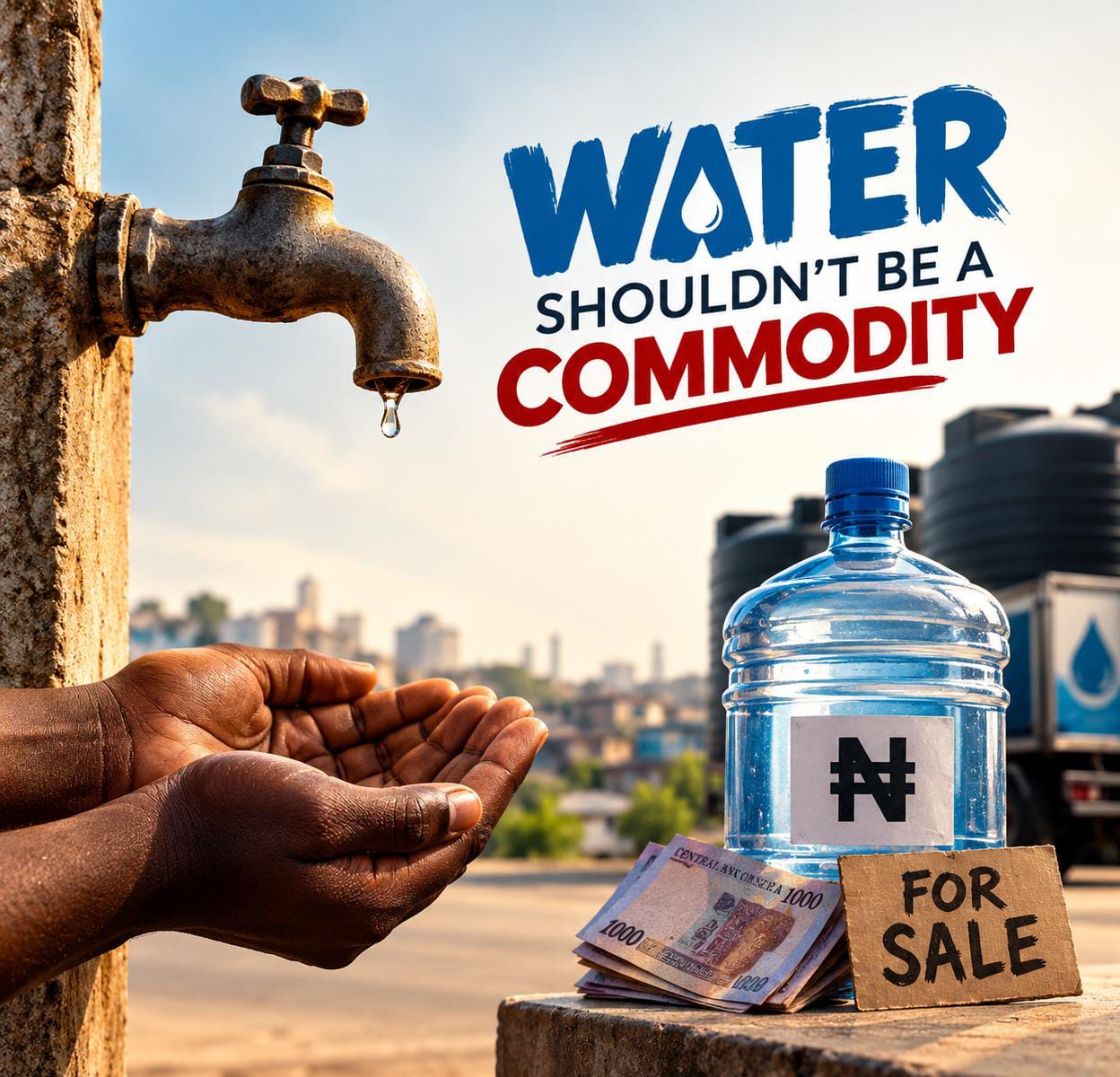
For households already struggling with the cost of living, the situation becomes more difficult when water charges reportedly reach N5,000, even when supply is inadequate or unavailable.
Such conditions, stakeholders argued, risk turning access to water into a privilege determined by income rather than a basic service available to all.
When water becomes a business
At the heart of the dialogue was concern that treating water primarily as a commercial commodity could deepen existing inequalities and leave vulnerable households further behind.
Participants warned that water privatisation, without adequate safeguards, could undermine affordability and equitable access, particularly for low-income earners and persons with disabilities.
When public taps fail to provide reliable supplies, residents often have little choice but to turn to private wells and boreholes. But these alternatives may impose additional financial and practical burdens, especially on households that cannot afford the cost of obtaining water independently.
Stakeholders also raised concerns about weak monitoring of funds allocated for the maintenance of community water facilities, warning that inadequate oversight could worsen infrastructure failures and further erode public confidence.
For them, the challenge goes beyond providing water infrastructure. It also involves ensuring that facilities are properly maintained, public funds are accounted for and communities have a meaningful voice in decisions affecting their access to water.
A heavier burden for vulnerable residents
The consequences of unreliable water supply, participants noted, are not experienced equally.
For persons with disabilities, accessing water can involve additional difficulties when collection points are physically inaccessible or assistance is unavailable.
A water point that is technically available may remain practically out of reach for someone who cannot navigate its surroundings or operate its facilities independently.
Stakeholders therefore called for water infrastructure planning that takes the needs of persons with disabilities into account, stressing that equitable access must mean more than simply making water available somewhere within a community.
They urged the government and relevant authorities to ensure that public water facilities are accessible, properly maintained and distributed in ways that reflect the needs of different communities and social groups.
Demand for accountability, community participation
To address the challenges, participants called for improved planning and a more equitable distribution of water infrastructure across Ekiti State.
They also demanded effective monitoring of public water facilities and greater community participation in water governance, arguing that residents should be involved in identifying supply gaps, tracking maintenance needs and engaging authorities over service failures.
They said sustained public education could help residents better understand their rights, recognise their responsibilities in protecting public facilities and demand greater transparency from relevant authorities.
Community groups, civil society organisations and the Water Consumers Association were also urged to intensify advocacy and engage government officials on inadequate supply, poor infrastructure maintenance and accountability.
Participants recommended coordinated campaigns to convey community concerns directly to policymakers, with a view to ensuring that decisions on water governance reflect the realities facing residents.
They further urged the Water Consumers Association to pursue registration or formal affiliation with the Network of Civil Society Organisations in Water and Sanitation (NEWSAN), where appropriate, to strengthen collaboration and advocacy within the sector.
Reclaiming public water systems
Earlier, the Executive Director of DINABI, Olajide Funso, called for stronger public water systems and improved government accountability to guarantee equitable access to safe and affordable water in Ekiti State.
As stakeholders push for reforms, the experiences highlighted at the meeting point to a fundamental question for water governance in Ekiti: how can a resource essential to life become increasingly difficult to access for some residents while public facilities reportedly waste supplies elsewhere?
Until public water systems become more reliable, affordable and accountable, the gap between communities with access and those without it may continue to widen, leaving residents to shoulder the cost of a crisis they cannot resolve on their own.